
 EN
EN
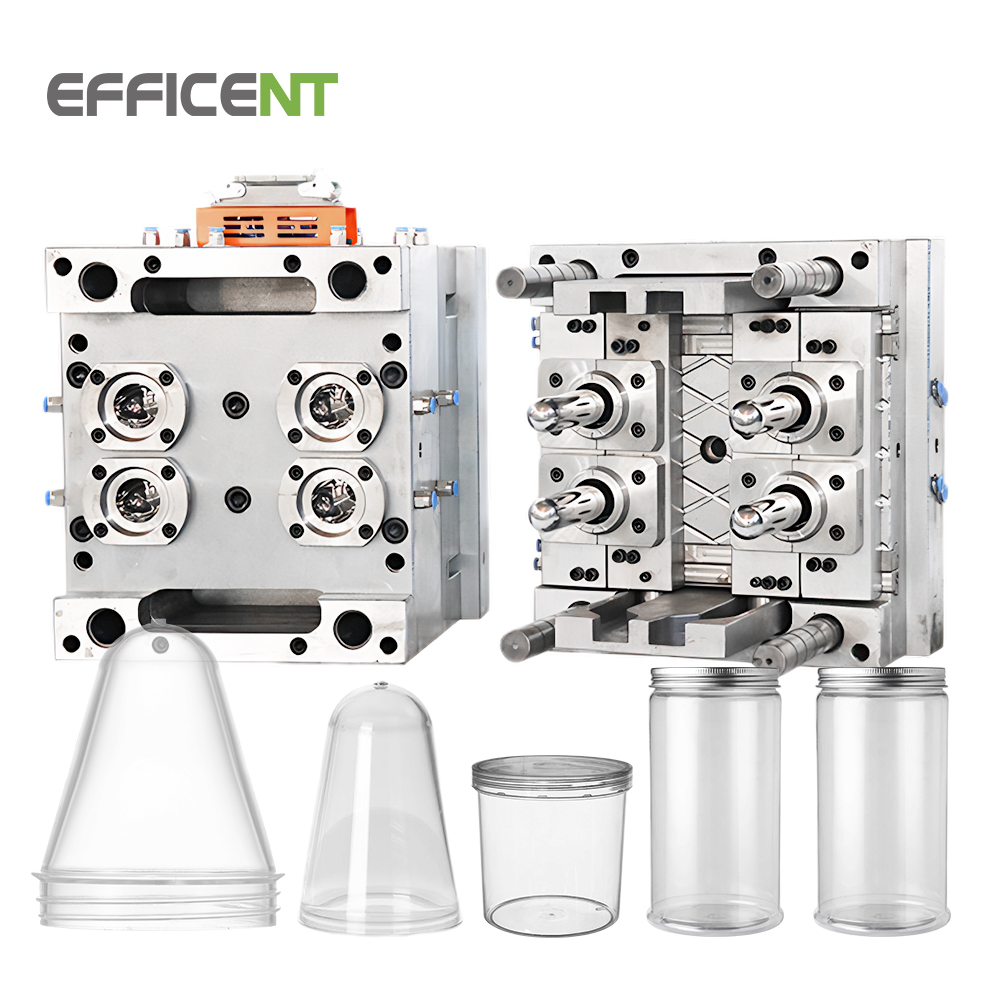
To make quality PET preforms, it is super important to dry the material correctly before using the PET preform making machine. If the PET material is not dried properly, it can cause problems like bubbles, weak spots, or even a complete failure of the preforms. This is because PET can absorb moisture from the air, and when heated, this moisture can turn into steam, which ruins the shape and strength of the preforms. At EFFICIENT, we know that taking the time to ensure proper drying can save time and materials in the long run. So, let’s dive into what needs to be done to dry PET properly before starting production.
What Are the Essential Drying Requirements for PET Preform Production?
Drying PET is not just a simple task. It requires careful attention to several factors. First, the temperature is key. The ideal drying temperature for PET is around 160°C to 180°C. If the temperature is too low, the PET will not dry enough, and if it’s too high, it can degrade the material. Next, the drying time is also crucial. Generally, PET needs to be dried for at least 4 to 6 hours, depending on the humidity levels in your area. Higher humidity means longer drying times. Another important factor is the air circulation within the dryer. Good airflow helps to remove moisture more effectively. Using a desiccant dryer is often recommended because it can pull moisture out of the air, making the drying process even better. At EFFICIENT, we believe that understanding how to control these drying requirements can lead to making stronger, higher-quality preform molding. Don’t forget, keeping your PET dry before production can really make a difference.
How to Ensure Optimal Drying Conditions for PET Preform Machines?
To ensure that your PET is dried optimally, you need to monitor several conditions closely. Start with setting the right temperature in your drying machine. You can use a thermometer to check if it’s at the right level. It’s also wise to check the humidity inside the drying area. If the air is too humid, consider using a dehumidifier. Regularly cleaning and maintaining your drying equipment is essential as well. Dust and debris can block airflow, making it less effective. Another tip is to spread the PET evenly in the drying basket. If the PET is piled up, the air might not reach all of it. Using trays with holes can help with airflow. At EFFICIENT, we know that taking these steps can help you achieve the best drying results. Always keep an eye on the process and make adjustments when necessary. By doing this, you can ensure that your PET is perfectly dried and ready for making high-quality preforms.
Common Drying Issues in PET Preform Manufacturing and How to Solve Them
When making PET preforms, drying the material is very important. PET stands for polyethylene terephthalate, and it is a type of plastic used to make bottles and containers. If the PET is not dried properly, it can cause many problems during the manufacturing process. One common issue is moisture in the PET resin. If the resin has moisture, it can lead to defects in the final product. This can make the preforms weak, cloudy, or even cause them to break easily. Another problem is uneven drying. If some parts of the PET are dried more than others, it can create weak spots. This unevenness can affect how the preforms look and how well they work.
To solve these drying issues, it is important to use the right drying equipment. The EFFICIENT brand offers advanced drying machines that can help achieve even and thorough drying. These machines can control the temperature and time to make sure that every piece of PET gets dried just right. It's also important to check the humidity in the area where you are drying the PET. If the air is too humid, it can add moisture back into the resin. Using a dehumidifier in the drying room can help keep the air dry. Another tip is to use clear containers for drying. This way, you can see if there is any moisture left in the resin. If you notice any moisture, you can put the PET back into the dryer until it is ready. By using the right equipment and paying attention to the drying environment, you can avoid common drying issues and make high-quality PET preforms.
Where to Source Quality PET Resins for Efficient Preform Drying
Finding good PET resin is very important for making high-quality preform machine. The quality of the resin can affect how well the drying process works. EFFICIENT recommends sourcing PET resins from reliable suppliers. You want to make sure that the resin you get is fresh and has not been stored for too long. Old or poorly stored resin can absorb moisture, which makes drying harder. When looking for suppliers, it is helpful to choose those who specialize in PET materials. They are more likely to have better quality products.
It is also a good idea to check the specifications of the PET resin you want to buy. Look for information about its moisture content. Lower moisture content means that the resin will dry more easily and effectively. Additionally, consider the size of the resin pellets. Smaller pellets might dry faster but could also be more prone to clumping. Larger pellets can take longer to dry but might be easier to handle. EFFICIENT suggests asking suppliers for samples before making a big purchase. This way, you can test the resin in your drying process to see how well it performs. Lastly, don’t forget to read reviews or talk to other manufacturers about their experiences with different suppliers. This can give you a better idea of which ones offer the best quality PET resins for efficient preform drying.
Common Mistakes to Avoid When Drying PET for Preform Manufacturing
Drying PET for preform manufacturing can be tricky. There are some common mistakes that people make, and avoiding these can help you produce better preforms. One big mistake is not drying the PET long enough. Some manufacturers think that a short drying time is enough, but this can leave moisture in the resin. It is essential to follow the drying guidelines provided by the EFFICIENT brand or the resin manufacturer. This will help ensure that the drying time is sufficient for complete moisture removal.
Another mistake is not checking the temperature settings on the drying equipment. If the temperature is too high, it can damage the PET and change its properties. On the other hand, if the temperature is too low, the drying process will take too long, and you may not get rid of all the moisture. Make sure to set the right temperature based on the type of PET resin you are using. It is also important to avoid opening the drying equipment too often. Each time you open it, moist air can enter and affect the drying process. Keep the drying area closed as much as possible to maintain a stable environment.
Lastly, some manufacturers forget to clean their drying equipment regularly. Dust and debris can accumulate and affect how well the equipment works. Regular maintenance will help keep the equipment running smoothly and ensure that the drying process is effective. By avoiding these common mistakes, you can improve your drying methods and create high-quality PET preform machine with the help of EFFICIENT products.
Table of Contents
- What Are the Essential Drying Requirements for PET Preform Production?
- How to Ensure Optimal Drying Conditions for PET Preform Machines?
- Common Drying Issues in PET Preform Manufacturing and How to Solve Them
- Where to Source Quality PET Resins for Efficient Preform Drying
- Common Mistakes to Avoid When Drying PET for Preform Manufacturing