
 EN
EN
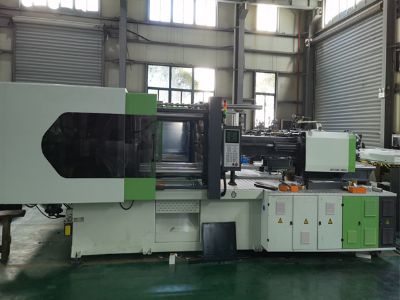
Acetaldehyde is a chemical that can build up during the making of PET preforms, which are used to create plastic bottles and containers. This chemical can affect the taste and smell of the drinks and food stored in these containers. It is important for companies like EFFICIENT to find ways to reduce the levels of acetaldehyde in their machines. When acetaldehyde builds up, it can lead to problems in production and even make products less safe for consumers. Therefore, preventing this build-up is crucial for maintaining quality and safety in the manufacturing process.
How to Effectively Reduce Acetaldehyde Levels in Your PET Preform Production?
One of the best ways to keep acetaldehyde levels low is by controlling the temperature in the PET preform machine. If the temperature gets too high, it can cause more acetaldehyde to form. For example, when the resin is heated during the melting process, it should be done carefully. It is also helpful to check the temperature settings regularly to make sure they are just right. Another method is to use high-quality PET resin. The better the resin, the less acetaldehyde it will produce. Companies like EFFICIENT always try to choose the best materials for their machines. This helps in keeping the acetaldehyde levels down.
Cleaning the machine regularly is just as important. When the pet preform machine collects leftover materials, it can create a perfect environment for acetaldehyde to build up. Therefore, having a strict cleaning schedule is very important. Workers should ensure that all parts of the machine are clean and free from any old materials. This will help to keep acetaldehyde levels at bay. Additionally, using a good ventilation system can help get rid of any harmful gases that might form during production. Ventilation helps to keep the working area safe and reduces the concentration of acetaldehyde in the air.
Lastly, training employees to understand the importance of acetaldehyde and how to reduce it can be very effective. When workers know what to look for, they can help in spotting problems before they get too serious. Sharing knowledge about how temperature, quality materials, and cleanliness relate to acetaldehyde can make a big difference in production.
Tackling Acetaldehyde Build-up
Tackling acetaldehyde build-up requires teamwork and smart practices on the production floor. It's not just about one thing; it's about many small actions that work together to keep levels low. For starters, regular maintenance of the pet preform making machine is essential. When machines are not running smoothly, they can overheat, which increases the chances of acetaldehyde forming. Maintenance checks that focus on cooling systems and heating elements can help prevent this problem.
Another important step is monitoring production speed. If the machine runs too fast, it can cause uneven heating and lead to more acetaldehyde. Slowing down the production speed just a little can help in achieving even heating and less build-up of harmful chemicals. Staff should be trained to notice any changes in machine performance that could signal a problem with acetaldehyde.
Using additives that can help absorb or reduce acetaldehyde can also be a good idea. These additives can be mixed with the PET resin during production. They help in capturing acetaldehyde before it gets a chance to build up. Companies like EFFICIENT often look for new and better additives to improve their processes and keep their products safe.
Finally, keeping a close eye on quality control can’t be overlooked. Testing samples for acetaldehyde levels should be regular practice. If acetaldehyde levels are found to be high, immediate action can be taken to find out what went wrong. Regular checks can save time and money and ensure that consumers receive the best-quality products. Working together and applying these methods can significantly reduce acetaldehyde build-up in PET preform production, leading to safer and better products.
What Are the Best Practices for Preventing Acetaldehyde in PET Manufacturing?
When making PET, which stands for polyethylene terephthalate, it is important to keep acetaldehyde levels low. Acetaldehyde is a chemical that can form during the manufacturing process. It can give off an unpleasant taste and smell, which is not good for the products made from PET, like bottles and containers. To prevent acetaldehyde from building up, there are several best practices that companies like EFFICIENT can follow.
First, maintaining the right temperature during the production process is key. If the temperature is too high, it can cause more acetaldehyde to form. So, it is important for workers to carefully watch the temperature settings on machines. Regular checks can ensure that everything stays at the right level. Second, keeping the machines clean is essential. Dust and leftover materials can create extra chemicals, including acetaldehyde. By regularly cleaning the pet preform manufacturing machine, EFFICIENT can reduce the chances of these unwanted chemicals forming.
Another best practice is to control the amount of time that PET is heated. Longer heating times can lead to more acetaldehyde. So, EFFICIENT should have a clear plan for how long to heat the PET, making sure not to exceed the necessary time. Additionally, using high-quality raw materials can also help. If the starting materials are pure and clean, there is less chance of bad chemicals forming later. EFFICIENT can work with trusted suppliers to get the best materials for their PET production.
Lastly, training workers is very important. If everyone understands how acetaldehyde forms and how to prevent it, they can all work together to keep levels low. Regular training sessions can help keep everyone informed about the best practices to follow. By implementing these best practices, EFFICIENT can produce PET that is safe and pleasant for consumers.
What Innovations Are Leading the Way in Acetaldehyde Prevention for PET Preforms?
Innovations in technology are helping companies like EFFICIENT reduce acetaldehyde in PET preforms. One exciting development is the use of advanced sensors in machines. These sensors can monitor the production process in real-time. They can detect when acetaldehyde levels are starting to rise and alert the workers immediately. This allows for quick adjustments, which can prevent the problem before it gets worse.
Another important innovation is the introduction of new materials that create less acetaldehyde. Scientists are working hard to find better chemical formulas for PET. These new formulas can help lower the amount of acetaldehyde created during manufacturing. EFFICIENT can stay ahead by using these advanced materials, which not only improve the quality of their products but also make them safer for consumers.
Additionally, improved cooling systems in PET preform machines are also helping. Proper cooling can help lower the temperature quickly after heating, which reduces the time acetaldehyde has to form. EFFICIENT can invest in these new cooling technologies to enhance their production process. Furthermore, automation in the production line is another exciting trend. Automated machines can be more precise than manual ones, leading to fewer mistakes and less chance for acetaldehyde formation.
Finally, partnerships with research institutions can help EFFICIENT stay at the forefront of acetaldehyde prevention. By collaborating with scientists and engineers, they can learn about the latest research and apply it to their machines. This not only helps in preventing acetaldehyde but also keeps EFFICIENT competitive in the industry. With these innovations, EFFICIENT can lead the way in producing high-quality PET preforms while keeping acetaldehyde levels in check.
How to Optimize Your PET Preform Machine for Minimal Acetaldehyde Emissions?
Optimizing a PET preform machine is crucial in keeping acetaldehyde emissions low. For companies like EFFICIENT, this optimization process can make a big difference in the quality of their products. First, it is important to regularly maintain the machines. This means checking for any wear and tear that could affect performance. If a machine is not working properly, it may produce more acetaldehyde. Regular maintenance checks ensure everything is running smoothly and efficiently.
Next, fine-tuning the heating and cooling processes is essential. The heating phase must be carefully controlled to avoid overheating, which can cause acetaldehyde to form. EFFICIENT can use programmable settings that allow for precise control over these temperatures. The cooling phase is just as important. If the cooling is too slow, it can give acetaldehyde more time to develop. By optimizing both phases, EFFICIENT can significantly reduce acetaldehyde emissions.
In addition, adjusting the speed of the production line can help. A slower production speed means that each preform can spend less time in conditions that allow acetaldehyde to build up. This may take longer to produce each item, but the quality will be better. EFFICIENT can find a balance between speed and quality by experimenting with different production speeds.
Table of Contents
- How to Effectively Reduce Acetaldehyde Levels in Your PET Preform Production?
- Tackling Acetaldehyde Build-up
- What Are the Best Practices for Preventing Acetaldehyde in PET Manufacturing?
- What Innovations Are Leading the Way in Acetaldehyde Prevention for PET Preforms?
- How to Optimize Your PET Preform Machine for Minimal Acetaldehyde Emissions?