
 EN
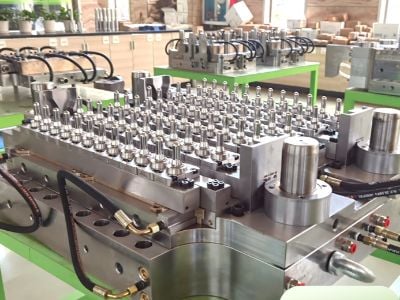
Molding is an important part of making PET preforms, which are used to create bottles and other packaging. However, problems can happen during the production process. These issues can affect the quality and speed of production. At EFFICIENT, we know how important it is to fix these problems quickly. This article will help you understand how to troubleshoot common defects in PET preform mold production lines
What You Need to Know
When making PET preforms, it’s essential to know about the different kinds of molds used. Molds are the shapes that give the preforms their final form. If the mold is not in good condition, defects can occur. Some common defects include short shots, which happen when the mold doesn’t fill. This can be caused by the temperature being too low or not enough pressure being used. Another problem is flash, which is when extra plastic spills out of the mold and creates thin edges around the preform. This often happens when the mold is not closed tightly. Understanding these issues is important for anyone working in this area. It’s also good to know that regular maintenance of molds can help avoid many of these problems. Keeping molds clean and checking for wear and tear can make a big difference in how well they work. People working with a PET preform molding machine should also pay attention to the machines that operate the molds. If the machines are not working right, they can cause issues, too
Troubleshooting Tips for Wholesalers
Wholesalers play an important role in the pet preform molding machine market. If they receive defective products, it can lead to unhappy customers. To avoid this, wholesalers should have a plan for troubleshooting defects. First, they should look at the product closely to see what the problem is. For example, if there are too many short shots, it might mean the molds need to be checked for temperature or pressure issues. Wholesalers can also communicate with their suppliers to get information about the production process. If a defect is found, it’s important to document it. This can help identify patterns and prevent future problems. Additionally, training employees on what to look for in defective products is vital. They should know how to spot issues like flash or surface imperfections. Working closely with suppliers is key; sharing feedback can lead to improvements in the production process. Lastly, wholesalers should have a good return policy for defective items. This not only helps with customer satisfaction but also encourages suppliers to maintain high-quality standards. At EFFICIENT, we believe that good communication and teamwork between wholesalers and manufacturers can lead to better products for everyone
What Are the Best Practices for Maintaining PET Preform Molds
Maintaining a PET preform molding machine is very important to keep it working well. First, it is essential to clean the molds regularly. Dust and leftover plastic can build up and cause problems. Use a soft brush and a cloth to wipe the molds after each use. This helps prevent any blockages and keeps the mold smooth. Next, always check for any signs of wear or damage. If you notice any cracks or chips, it is crucial to fix them right away. Small problems can turn into big ones if not taken care of. It is also a good idea to lubricate the molds regularly. Applying the right type of oil can help the molds open and close smoothly, which is important for making good preforms. Another best practice is to store the molds properly when they are not in use. Make sure to keep them in a dry and cool place to avoid rust and other damage. Using covers can protect them from dust and dirt. Lastly, training the workers who use the molds is very important. They should know how to handle the molds gently and understand the correct procedures for maintenance. By following these best practices, you can keep your PET preform molds in great shape. At EFFICIENT, we believe that taking care of your equipment will lead to better products and fewer problems in the production line
How to Minimize Defects in Your PET Preform Production Line
Minimizing defects in your PET preform production line is key to making high-quality products. One of the first steps is to control the temperature during the molding process. If the temperature is too high or too low, it can cause issues like warping or incomplete preforms. It is important to have the right settings on your machines. Another factor to consider is the quality of the raw materials used. Always use good-quality PET plastic to ensure that the preforms come out correctly. Poor-quality materials can lead to weak or broken preforms. Additionally, checking the machines regularly is a must. Machines that are not working correctly can create defects in the products. Make sure to schedule regular maintenance and repairs. Training workers is also vital. They should understand how to operate the machines properly and recognize when something is wrong. Encourage them to report any issues immediately. Another way to minimize defects is by conducting regular quality checks on the preforms. This means inspecting them for any flaws before moving on to the next steps in production. At EFFICIENT, we focus on creating strong processes that help reduce mistakes and improve the overall quality of PET preforms. By paying attention to these details, you can create a smoother production line and make better products
What Troubleshooting Techniques Improve PET Preform Production Efficiency
Troubleshooting is an important part of keeping your PET preform production line running smoothly. One effective technique is to keep a close eye on the production process. If something goes wrong, it is essential to identify the problem quickly. Start by checking the machines. If a machine is making strange noises or not working as it should, it may need repair or adjustment. Another good technique is to look at the data from the production line. Keeping records of production rates and defects can help you find patterns. For example, if you notice that defects happen at a certain time of day, there might be an issue with the way the machines are set up or with the workers’ training. Regular meetings with the team can also help. Discussing problems together can lead to new ideas for fixing them. It is also beneficial to have a checklist for troubleshooting. This checklist can include steps like checking the temperature settings, inspecting raw materials, and ensuring machines are clean and well-lubricated. Lastly, it is essential to encourage a culture of improvement. Let workers know that it is okay to suggest changes or report issues. At EFFICIENT, we believe that working together and being proactive can lead to greater efficiency in the production line. By using these troubleshooting techniques, you can solve problems faster and keep your production moving smoothly.