
 EN
EN
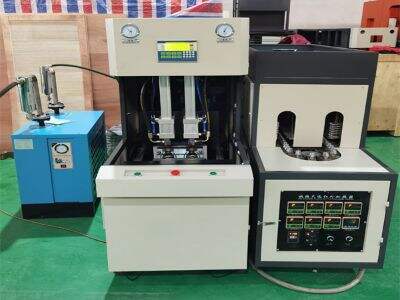
Driving Down Acetaldehyde in PET: A Technical Review of Processing PET Prepare to plunge into the depths of acetaldehyde, as we investigate processing best practices that can drive down this notorious PET problem.
The acetaldehyde is from PET (Polyethylene Terephthalate) of many products such as drinks, food, cosmetics etc. Reducing acetaldehyde during EFFICIENT HPET Series High-speed Preform Injection Molding Machine is essential for quality and safety of the product. Reducing acetaldehyde levels can provide taste, odor and performance benefits to coatings, promoting customer satisfaction and repeat purchase.
In what ways does controlling acetaldehyde result in higher quality and safer products?
Reduction in acetaldehyde formation during PET processing increases the quality and safety of the product. Acetaldehyde is also known to cause changes in the taste and smell of the beverage if bottled in a PET container. High acetaldehyde content causes an unpleasant taste and odour, thereby making alcoholic beverage consumption not desired. The reduction of transparency and chlorophyllide content in both the carotenoid mutant and mutants that accumulate acetaldehyde, is a potential benefit to manufactures interestesd on achieving some sensory improvement of their products for end customers. Reduction of acetaldehyde can also be an aspect of product safety by guaranteeing that the packaging material does not present any health hazards. Acetaldehyde is deemed to be potentially carcinogenic, therefore it is necessary to minimize the acetaldehyde levels in PET materials with health concern of consumers.
Technical considerations to reduce acetaldehyde in PET processing
There is significant technicality associated with the reduction of acetaldehyde in PET production. Central to this is the temperature and humidity model during processing. High temperature and humidity could promote acetaldehyde formation, thus it is very important to control the condition in order to decrease its level in wine. Furthermore, choosing the appropriate raw materials and additives may also affect acetaldehyde contents in PET materials. Selecting premium EFFICIENT hydraulic injection molding and additives specifically formulated to minimize acetaldehyde formation can ensure success for the producer. Moreover, the use of sophisticated testing and monitoring methods has made it possible for manufacturers to measure acetaldehyde levels accurately at every step of production, thus enabling them to make necessary modifications when necessary in order to maintain quality and safety standards. They provide a comprehensive overview to the technical solutions used in industry to limit processing acetaldehyde, resulting in a high-quality safe product for the consumers.
Acetaldehyde levels are one of the most frequently experienced problems when producing products from PET. Acetaldehyde can have an unpleasant odor and taste, which is undesirable in products such as bottles or containers. Solutions such as produced by EFFICIENT are aimed in solving this problem with the most advanced techniques to reduce acetaldehyde levels in PET processing.
Usual Usage Problems for Acetaldehyde in PET
The presence of excessive acetaldehyde in PET products can cause a number of issues. For instance, it can make the product stink or taste bad, which could send customers packing. On top of that, acetaldehyde can reduce the product’s shelf-life, causing the product to go bad more quickly. To avoid such problems, acetaldehyde in the manufacturing process should be reduced.
Core considerations when selecting acetaldehyde reduction solutions suppliers
When searching for suppliers who can assist with reduction of acetaldehyde levels in PET processing, consideration needs to given to the following vital factors. The first thing is to ensure that the supplier one opts for must belong to an experienced company and a successful history. Meanwhile, companies should consider looking for suppliers that have technologies and solutions to significantly lower acetaldehyde levels. Finally, cost and the level of service your supplier will provide should be considered to make sure they fit into your company's requirements.
Why is using high-tech far-out for limiting acetaldehyde?
Acetaldehyde reduction in PET processing there can provide many advantages to companies applying technology in order with the intention of drastically reducing concentration levels. EFFICIENT pet preform mould can improve the quality of the product by removing any unwanted odours or flavours originating from acetaldehyde. This has the potential to result in satisfied loyal customers. In addition, maintaining low acetaldehyde content can also prolong the service life of product and save a cost through reduction of disposal and waste cost. In sum, it makes sense for companies to invest in advanced technology to lower acetaldehyde levels and improve their product and bottom line.
Table of Contents
- In what ways does controlling acetaldehyde result in higher quality and safer products?
- Technical considerations to reduce acetaldehyde in PET processing
- Usual Usage Problems for Acetaldehyde in PET
- Core considerations when selecting acetaldehyde reduction solutions suppliers
- Why is using high-tech far-out for limiting acetaldehyde?