
 EN
EN

Servo PET Preform Injection Molding Machine
Efficient, Energy-Saving, and Stable Production Solution
What is a Servo PET Preform Injection Molding Machine
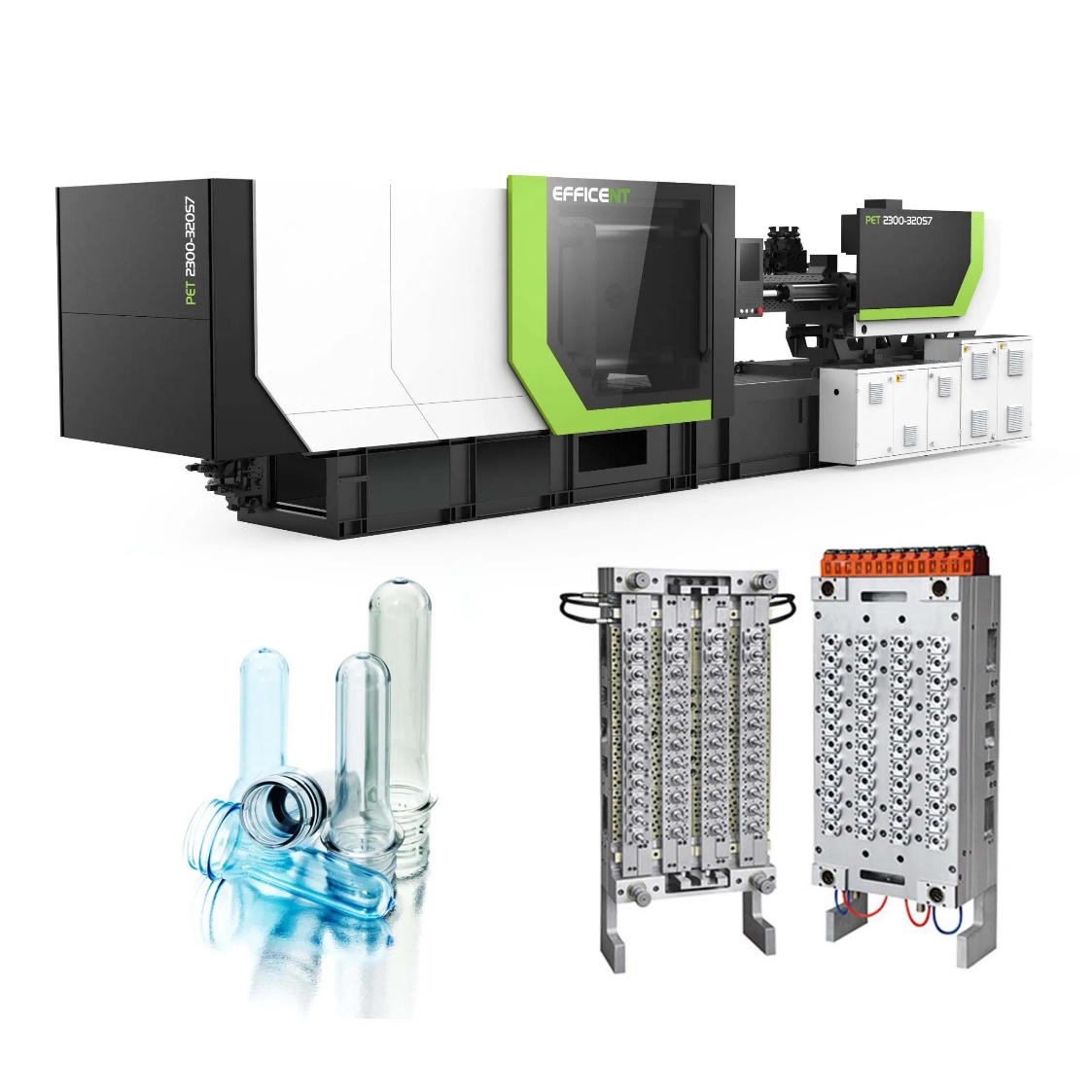
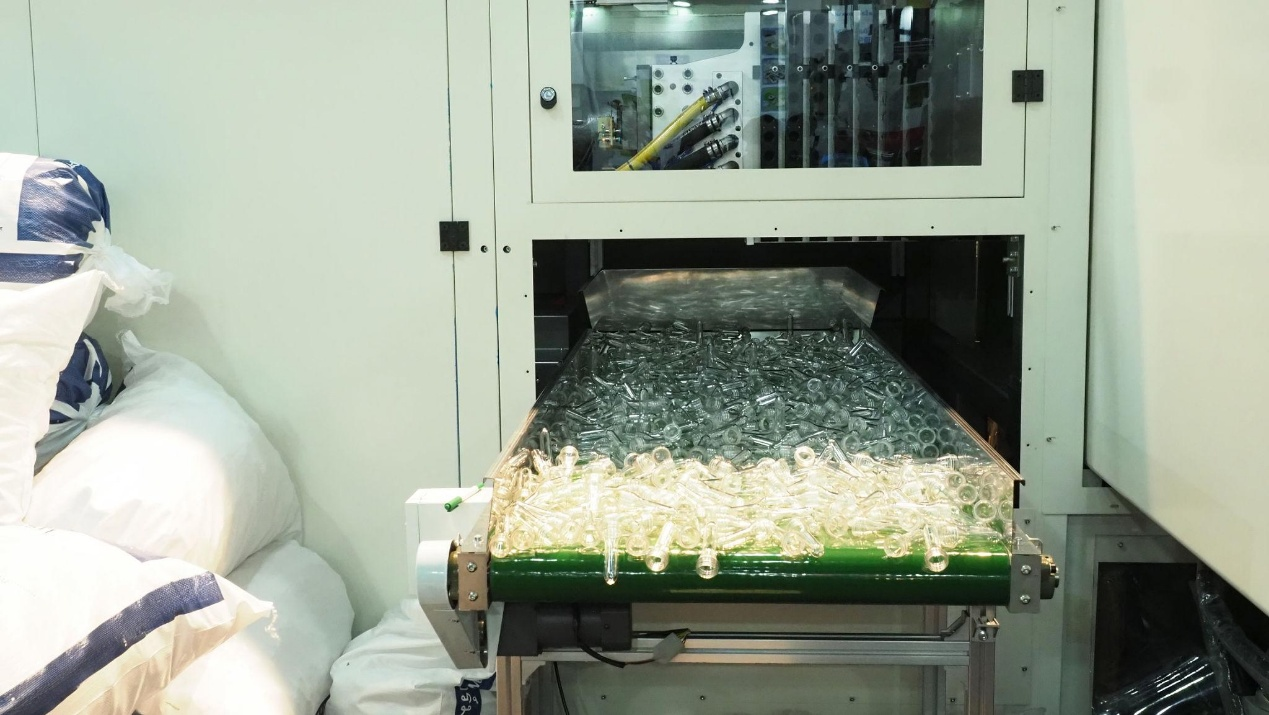
A servo PET preform injection molding machine is an advanced system that uses a servo motor-driven hydraulic system to control the molding process. Unlike traditional machines that run continuously, the servo system adjusts power output in real time based on actual demand.
- Traditional machines: Constant motor operation, high energy consumption
- Servo machines: Power on demand, significantly reduced energy usage
This technology is widely used in the production of:
- Mineral water bottles
- Beverage bottles
- Edible oil containers
- Daily chemical packaging
Machine Structure and Main Components
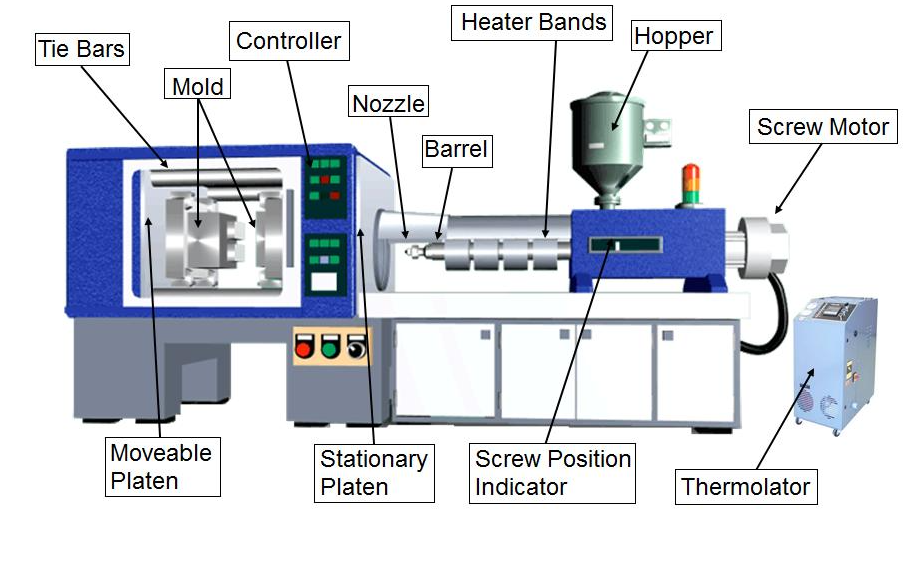
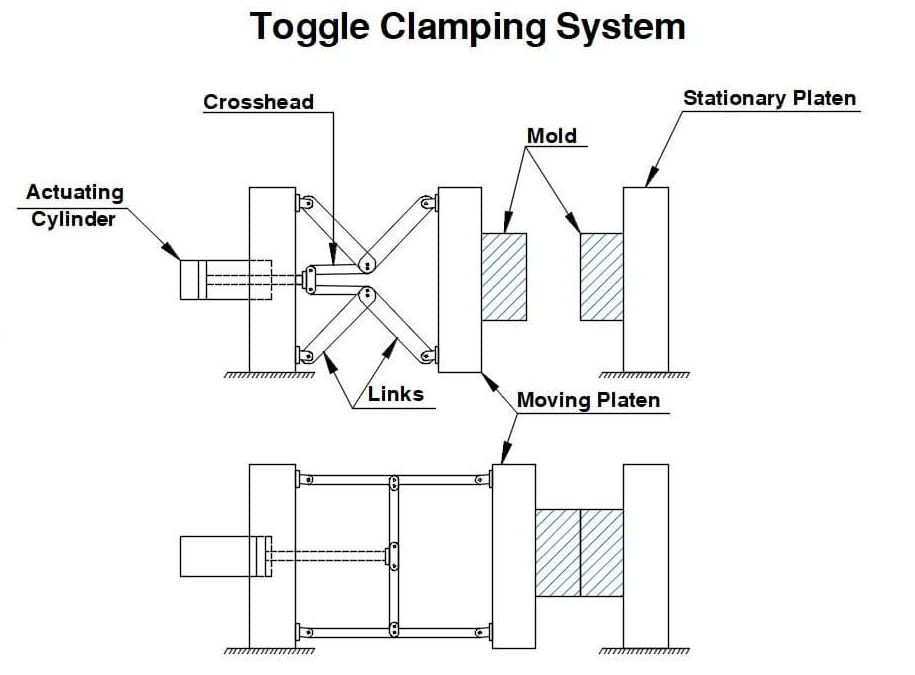
A servo PET preform injection molding machine mainly consists of the following systems:
1. Injection Unit
Responsible for plasticizing and injecting PET material.
High-performance screw design ensures uniform melting and stable injection.
2. Clamping Unit
Provides stable clamping force to ensure mold integrity, especially for high-cavity molds (48, 72, 96 cavities).
3. Servo Drive System (Core Component)
Includes servo motor, driver, and pressure/flow control system.
Enables precise control of:
Pressure
Flow rate
Speed
4. Hydraulic System
Works together with the servo system to execute all machine movements such as injection, clamping, and ejection.
5. Control System
Typically PLC or industrial computer-based:
Process parameter control
Real-time monitoring
Alarm and diagnostics
6. Robot System (Optional / Standard)
Side-entry robot or 3-position robot system for automatic preform removal, improving efficiency and reducing labor.
Key Advantages of Servo PET Preform Injection Machines
1. Significant Energy Savings (30%–70%)
The servo system only consumes energy when needed.
During cooling or idle phases, energy consumption is minimal.
This leads to substantial electricity cost savings and faster ROI.
2. High Precision and Product Consistency
Servo control ensures:
Accurate pressure control
Stable injection speed
High repeatability
Results:
✔ Consistent preform weight
✔ Uniform wall thickness
✔ Lower defect rate
3. Faster Response and Shorter Cycle Time
Servo motors respond faster than traditional motors:
Faster injection
Efficient mold opening/closing
Shorter cycle time (e.g., 12–15 seconds per cycle)
Higher production capacity
4. Low Noise Operation
Servo systems operate quietly, especially under low load conditions:
✔ Improved working environment
✔ Reduced noise pollution
5. Lower Oil Temperature and Higher Stability
Demand-based energy supply reduces hydraulic oil temperature:
Less cooling required
Longer oil lifespan
More stable machine performance
6. Lower Maintenance Cost
Reduced unnecessary operation leads to:
Less mechanical wear
Lower failure rate
Longer machine service life
Typical Applications
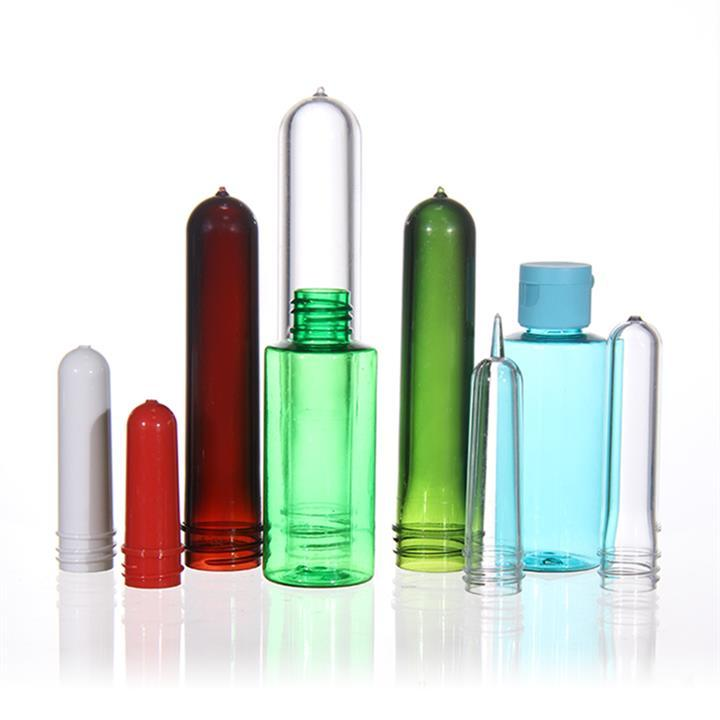
Servo PET preform injection molding machines are widely used for:
Mineral water preforms (e.g., 1881 neck)
Carbonated beverage bottles
Edible oil containers (e.g., 3025 neck)
Cosmetic and daily chemical packaging
Pharmaceutical containers
They are especially suitable for:
High-cavity molds (48 / 72 / 96 cavities)
Mass production lines
Future Development Trends
The servo injection molding technology continues to evolve toward:
Faster and more responsive servo systems
Smart manufacturing (MES integration)
Fully automated production lines
Integration with blow molding systems
The industry is moving toward high efficiency, intelligence, and green manufacturing
Conclusion
Servo PET preform injection molding machines have become the preferred solution in the industry due to their:
Energy efficiency
High precision
Stable performance
Increased productivity
For manufacturers, investing in a high-performance servo preform injection machine is not only a technical upgrade but also a strategic move to enhance competitiveness and sustainability.