
 EN
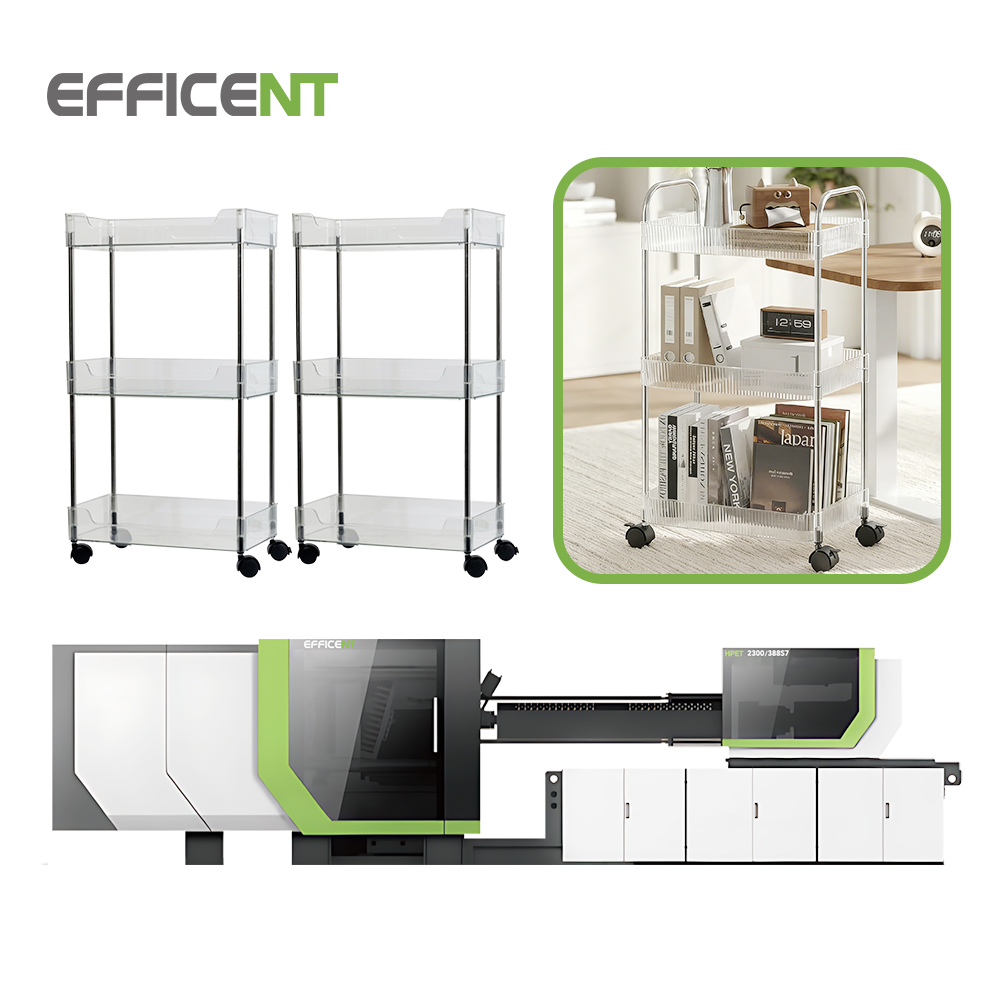
In the world of plastic injection molding, getting the machine settings right is very important. At EFFICIENT, we know that even small changes can make a big difference in the quality of the finished product. When the machine runs smoothly, it saves time and money while making sure that the products are just right. We will talk about two important settings: temperature controls and injection speed. Both are key to making high-quality plastic parts.
How to Set Optimal Temperature Controls for Plastic Injection Molding Machines
Temperature control is one of the most important settings on a plastic injection molding equipment. If the temperature is too high or too low, it can affect the way the plastic melts and flows. This can lead to defects in the finished parts. For example, if the temperature is too low, the plastic may not melt properly, which can cause the parts to be weak or even break. On the other hand, if the temperature is too high, the plastic can become too thin, leading to overflowing and waste.
To find the right temperature, you should start with the type of plastic you are using. Different plastics have different melting points. For instance, if you are working with ABS plastic, you might want to set the temperature between 200°C and 240°C. You can find the exact temperatures in the material's data sheet.
Another tip is to monitor the temperature during the injection process. If you notice any changes in the quality, like bubbles or poor surface finish, you might need to adjust the temperature. Sometimes, it helps to do a few test runs to see how the plastic behaves at different temperatures.
Also, pay attention to the cooling system. The cooling time can also affect the final product. If the cooling is too quick, it might lead to warping. But if it’s too slow, the production time will increase. Finding the right balance is key.
In addition, don’t forget about the environment where the machine operates. If it's too hot or too cold in the factory, it could also affect the process. Keeping the temperature steady in the working area can help maintain the right conditions for the machine to perform well.
How to Adjust Injection Speed for Improved Product Quality
Injection speed is another crucial setting on plastic injection molding machines. It refers to how fast the plastic is injected into the mold. The right speed helps ensure that the plastic fills the mold evenly, which is very important for the quality of the final product. If the speed is too fast, it can create air bubbles or other defects. If it is too slow, the plastic may not fill the mold completely.
To set the best injection speed, start with the type of part you are making. For example, if you are making a large part, a slower speed might work better. This allows the plastic to fill the entire mold without causing any issues. But for smaller parts, you might want to increase the speed to make production faster.
You can also experiment with different speeds during test runs. By watching how the plastic flows into the mold, you can adjust the speed to find what works best. If you notice that the surface of the product is not smooth or there are lines, it might be time to slow down the injection speed.
Another important factor is the viscosity of the plastic. Thicker plastics might need a slower injection speed, while thinner plastics can handle a faster speed. Always check the plastic's specifications to know what speed to use.
Finally, remember that the speed can also impact the cooling time. If the injection speed is too high, it can lead to uneven cooling, which might cause warping or other issues. Always look at the bigger picture and adjust the injection speed while considering the entire process.
By focusing on temperature controls and injection speed, you can improve the quality of your plastic parts significantly. EFFICIENT is here to help you make the best settings for your machines, ensuring that your production runs smoothly and efficiently.
How to Maximize Production Efficiency with Proper Machine Settings
When working with a plastic automatic injection molding, it's important to set everything correctly to make sure we can produce items quickly and without problems. First, we need to check the temperature settings. The temperature of the plastic should be just right. If it's too hot, the plastic can burn, and if it's too cold, it won’t flow well into the mold. We need to find a balance that works best for the type of plastic we are using. Next, we should look at the pressure settings. The pressure helps to push the melted plastic into the mold. If the pressure is too low, the mold might not fill up completely. If it’s too high, it can cause defects in the final product. Adjusting the pressure to the right level will help us get more items made without wasting materials.
Another key setting to pay attention to is the speed of the injection. This is how quickly the melted plastic goes into the mold. If we go too fast, we might create air bubbles, which can ruin the product. If we go too slow, it can take too long to make each item. Finding the right speed is crucial for keeping production moving smoothly. Additionally, we should consider the cycle time. This is the time it takes to make one item from start to finish. By carefully timing each step of the process, we can reduce the cycle time and produce more items in less time. EFFICIENT ensures that all these settings are optimized, helping us work faster and better.
Where to Source High-Quality Materials for Injection Molding Processes
Finding the right materials is very important when we talk about injection molding. The quality of the plastic we use can make a big difference in how our products turn out. One great place to start is by looking for suppliers who specialize in plastic materials. These suppliers often provide a wide range of options, so we can choose the best type for our needs. It’s a good idea to ask them about the different plastics they offer and how they perform in molding processes. EFFICIENT recommends checking if the suppliers have a good reputation. We can do this by reading reviews or asking other companies who they trust for their materials.
Another important factor is to make sure the materials are consistent. We want to use the same type of plastic every time we make something. This helps us get the same results each time. If we keep changing the materials, it might lead to different product quality, which can confuse customers. So, it’s helpful to buy in bulk from the same supplier whenever possible. Also, we should always ask for samples before we buy a large amount of material. This allows us to test how the plastic works in our machines. If we find a material that works well, we can order more and keep our production running smoothly. EFFICIENT emphasizes the importance of using high-quality materials to ensure our products are strong and reliable.
How to Achieve Consistent Results in Plastic Injection Molding Settings
To get the same good results every time we use the plastic preform injection molding, we need to pay attention to all the settings carefully. First, we should create a checklist of all the settings we need to follow. This includes the temperature, pressure, injection speed, and cycle time. By using this checklist every day, we can make sure nothing gets missed. It's also helpful to keep a log of what settings we used for each batch of products. This way, if we make something that turns out really well, we can look back to see exactly what settings we used and repeat them.
Table of Contents
- How to Set Optimal Temperature Controls for Plastic Injection Molding Machines
- How to Adjust Injection Speed for Improved Product Quality
- How to Maximize Production Efficiency with Proper Machine Settings
- Where to Source High-Quality Materials for Injection Molding Processes
- How to Achieve Consistent Results in Plastic Injection Molding Settings