
 EN
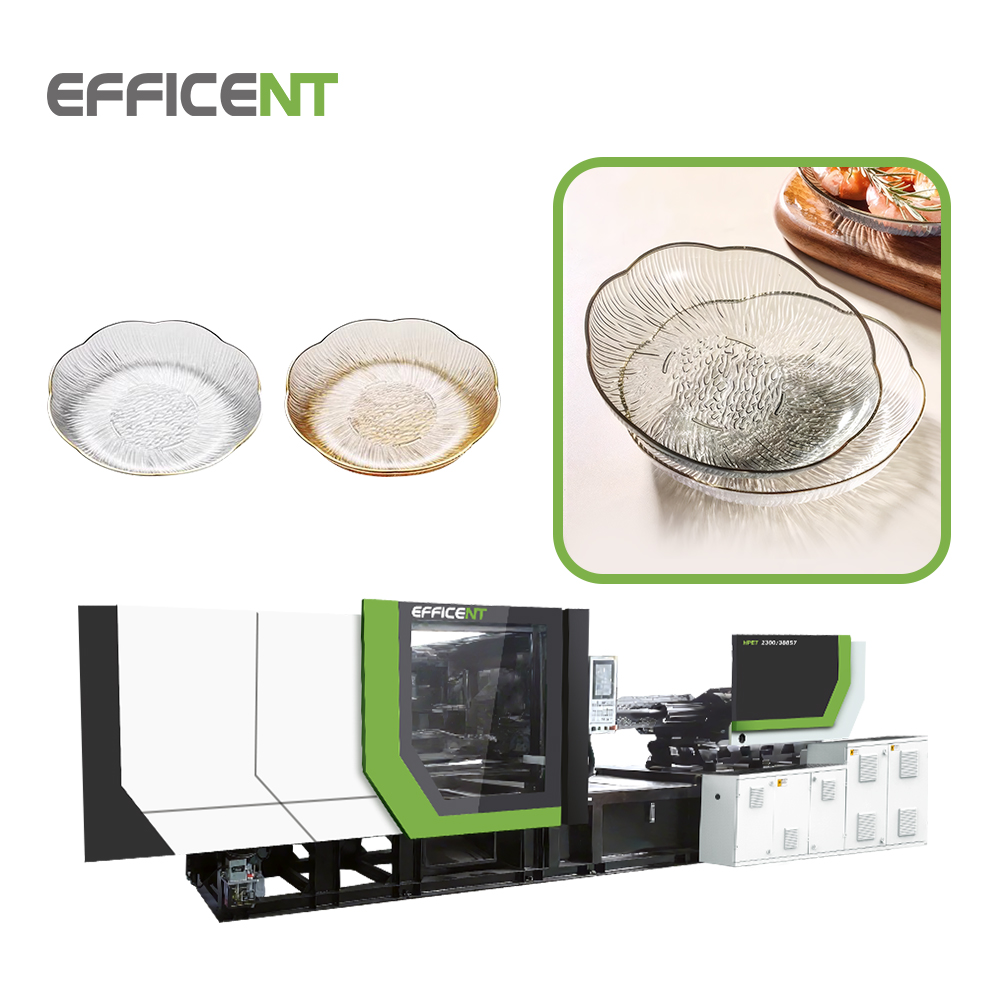
When making products in large amounts, using an injection molding machine is a common choice. These machines are powerful and help create many items quickly. However, to get good results, we need to understand what affects the output and quality of these machines. At EFFICIENT, we know that several key factors can influence how well these machines work and the quality of the products they make. This article will talk about how the output of injection molding machines affects the quality of products and where to find the best machines for wholesale applications.
How Injection Molding Machine Output Impacts Product Quality in Bulk Production
When we talk about how injection molding machine output affects product quality in bulk production, it’s important to think about speed and consistency. A machine that runs fast can produce a lot of items in a short time. But, if it’s too fast, the items may not come out right. For example, if the temperature is too high, the plastic might melt unevenly, causing defects. This is where finding the right balance is key. At EFFICIENT, we focus on making machines that can keep a steady speed while also ensuring that every piece is made with care. Another factor is the material used. Different plastics behave differently when heated and cooled. If a machine is not set up properly for the specific material, it can lead to problems like bubbles or weak spots in the products. Quality checks during production are also very important. If a problem is spotted early, it can be fixed before a whole batch is made wrong. Machines that can alert operators to issues are very helpful in keeping quality high. Consistency is also crucial; if every item is not the same, it can affect how they fit together. This is why at EFFICIENT, we emphasize the importance of quality control to ensure that every product meets the required standards, which helps in building trust with customers.
How to Choose the Best Injection Molding Machines for Wholesale Applications
Finding the best injection molding machines for wholesale applications can be a challenge, but it's very important. The first step is to look for machines that are known for their reliability and efficiency. You want a machine that won’t break down often and can run for long periods without stopping. EFFICIENT machines are designed to be durable and are built with high-quality materials. This means they can handle the demands of large-scale production. Next, consider the features of the machines. Some machines come with advanced technology that helps in controlling the process better. For instance, machines with smart technology can adjust settings automatically, ensuring the best quality output. It’s also helpful to read reviews or get recommendations from other businesses. They often share their experiences, which can guide you in making the right choice. Finally, don’t forget about after-sales support. A good company will help you with installation and training. They will also provide support if you experience any problems. At EFFICIENT, we pride ourselves on offering great customer support, ensuring that our machines help businesses thrive in production.
What Are the Common Usage Issues with Injection Molding Machines?
Plastic injection molding machine are important tools in making many plastic products we use every day, like toys, containers, and car parts. However, sometimes these machines can have problems that make it hard to produce good parts. One common issue is improper temperature settings. If the machine is too hot or too cold, the plastic may not melt correctly. This can lead to parts that are either too weak or too brittle. Another issue is the wrong pressure during the molding process. If the pressure is too high, it can cause the plastic to overflow from the mold, creating messy parts. If it’s too low, the mold may not fill completely, leading to missing pieces in the final product.
Another problem is the wear and tear on the machine. Over time, parts of the machine can get worn out or damaged. For example, if the screws or barrels are not in good shape, they may not push the plastic through properly. This can lead to uneven products. Also, the molds themselves can get damaged. If there are scratches or chips in the mold, the plastic won’t take the right shape, and this can ruin the parts. Finally, sometimes the materials used can cause issues. If the plastic pellets are not of good quality, they can lead to weak parts or even blockages in the machine. Regular maintenance and checks can help prevent these problems. At EFFICIENT, we believe that understanding these common issues can help users get better results from their injection molding machines.
What Factors Determine the Quality of Parts Produced by Injection Molding Machines?
The quality of parts made by injection molding machines depends on several important factors. First, the type of plastic used plays a big role. Different plastics have different properties. Some are strong and flexible, while others may be hard and brittle. Choosing the right plastic for the job is important for making a quality product. Another important factor is the machine settings. These include temperature, pressure, and speed. If these settings are correct, the plastic will melt and flow properly into the mold. But if they are off, the final product can be flawed.
The design of the mold itself is also key to quality. A well-designed mold will allow the plastic to fill it evenly, creating parts with the right shape and size. If the mold has air pockets or is not vented properly, it can trap air and create defects in the product. Additionally, the cooling time is important. If the plastic cools too quickly, it can warp. If it cools too slowly, it may not harden properly. The skill of the operators running the machines is another factor. Well-trained workers can adjust settings and troubleshoot issues, leading to better quality parts. At EFFICIENT, we focus on making sure that all these factors are in line to ensure the best quality in every product produced.
How to Troubleshoot Common Issues in Injection Molding Machine Operations
When problems happen with industrial injection molding machine, it’s important to troubleshoot them quickly to avoid wasting time and materials. The first step is to check the machine settings. Look at the temperature, pressure, and speed to make sure they are set correctly. If any of these settings are off, adjust them and see if that fixes the issue. Next, inspect the molds. Make sure they are clean and free of damage. If there are any cracks or chips, they may need to be repaired or replaced. Regular cleaning of the molds can help prevent issues from forming.
If the machine is still having problems, check the material being used. Sometimes, old or poor-quality plastic can cause issues. Make sure you are using fresh, high-quality plastic pellets. Another common problem can be with the machine’s mechanical parts. If you notice any unusual sounds or movements, it could mean there is a mechanical failure. In this case, it’s best to turn off the machine and consult a technician.
Finally, keep track of any patterns in the problems you’re experiencing. If certain issues happen repeatedly, it might be a sign of a bigger problem with the machine or process. By noting these patterns, you can work with your team to find long-term solutions. At EFFICIENT, we emphasize the importance of keeping a log of issues and solutions to improve overall machine performance. Troubleshooting effectively can lead to better quality parts and more efficient operations.
Table of Contents
- How Injection Molding Machine Output Impacts Product Quality in Bulk Production
- How to Choose the Best Injection Molding Machines for Wholesale Applications
- What Are the Common Usage Issues with Injection Molding Machines?
- What Factors Determine the Quality of Parts Produced by Injection Molding Machines?
- How to Troubleshoot Common Issues in Injection Molding Machine Operations