
 EN
EN

The PET Preform Injection Molding Machine Industry: Driving Efficiency and Sustainability in Packaging
Introduction
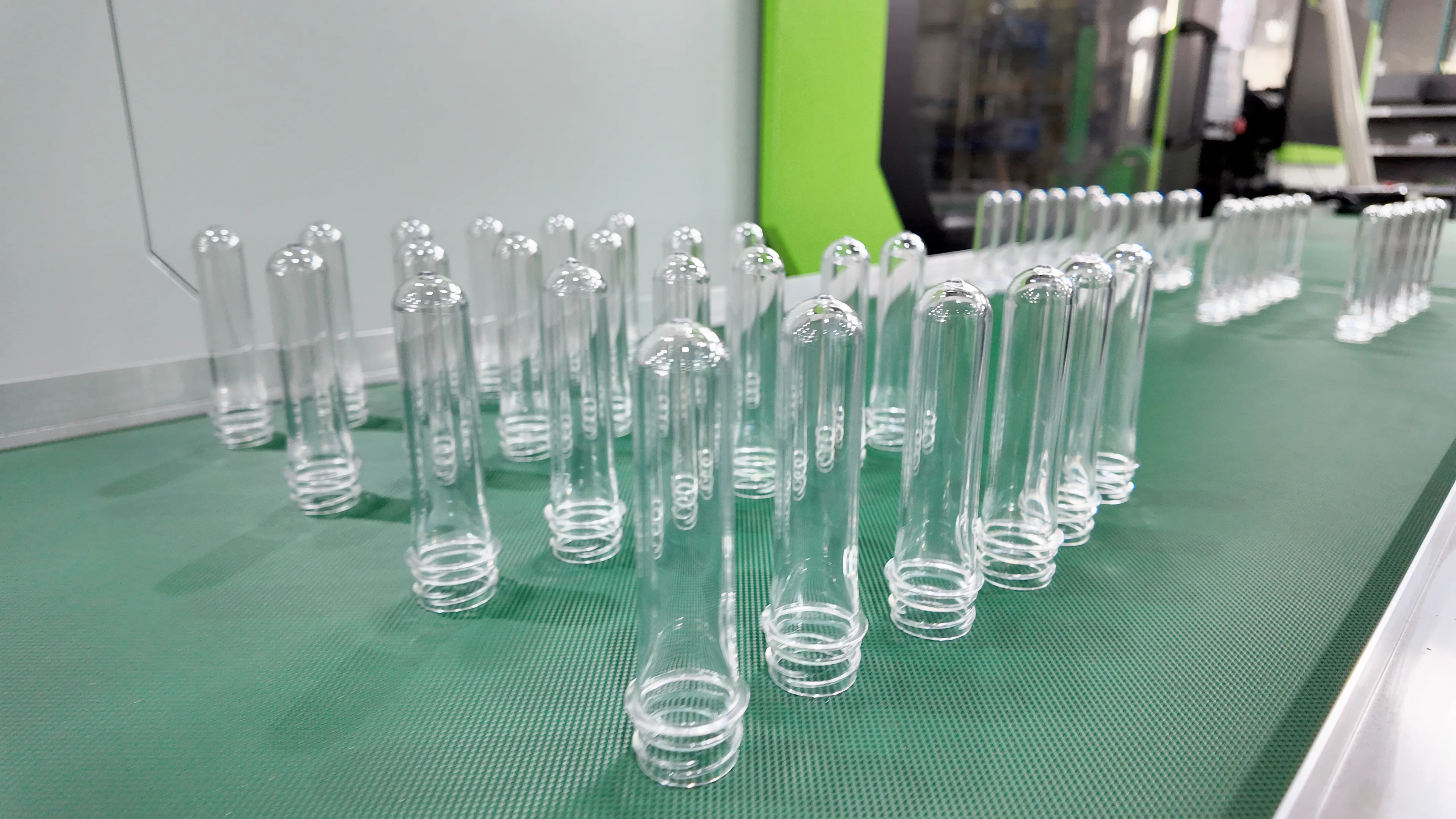
The PET preform injection molding machine industry stands at the intersection of precision engineering and high-volume consumer goods production. These specialized machines transform PET (polyethylene terephthalate) resin into preforms—the small tube-shaped intermediates that are subsequently blow-molded into bottles for water, beverages, edible oils, personal care products, and pharmaceuticals-2. Unlike general-purpose injection molding equipment, PET preform machines are purpose-built for the unique demands of packaging production, where speed, precision, and energy efficiency directly determine profitability-1.
Over the past two decades, this industry has undergone a remarkable transformation. Historically dominated by established European and North American manufacturers, the landscape now features a growing contingent of Asian producers who have bridged the technology gap through sustained R&D investment. The result is a competitive market where innovation in cavity count, cycle time reduction, and energy efficiency drives continuous advancement-1-9.
Market Landscape and Growth Trajectory
The global PET preform injection molding machine market demonstrates steady expansion, reflecting the enduring demand for PET packaging across multiple industries. According to industry research, the global market was valued at approximately $815 million in 2024, with projections suggesting growth to $1.11 billion by 2031, representing a compound annual growth rate of 4.5%-4. Other estimates place the combined PET preform mold and machinery market at $828 million in 2025, targeting $1.133 billion by 2032 at a 4.7% CAGR-12.
This growth is underpinned by several fundamental drivers. The global appetite for bottled water, carbonated beverages, juices, and ready-to-drink teas continues to rise, particularly in developing regions where urbanization and changing lifestyles fuel consumption-2. Additionally, the rapid expansion of the pharmaceutical and personal care sectors—where PET packaging offers an optimal balance of clarity, barrier properties, and cost-effectiveness—creates sustained demand for preform production capacity-3.
The market is characterized by high per-unit investment, with the average selling price for a PET preform machine in 2024 approximating $920,000 to $1.18 million, depending on configuration and cavity count-2-3. The installed base is relatively concentrated, with annual global sales volume estimated at approximately 555 to 669 units, underscoring the long asset life and strategic purchasing decisions typical in the packaging industry-2-3.
Technology Trends: Cavity Count, Speed, and Intelligence
The industry's technological evolution centers on three interconnected imperatives: increasing productivity through higher cavity counts, reducing cycle times, and achieving granular energy efficiency.
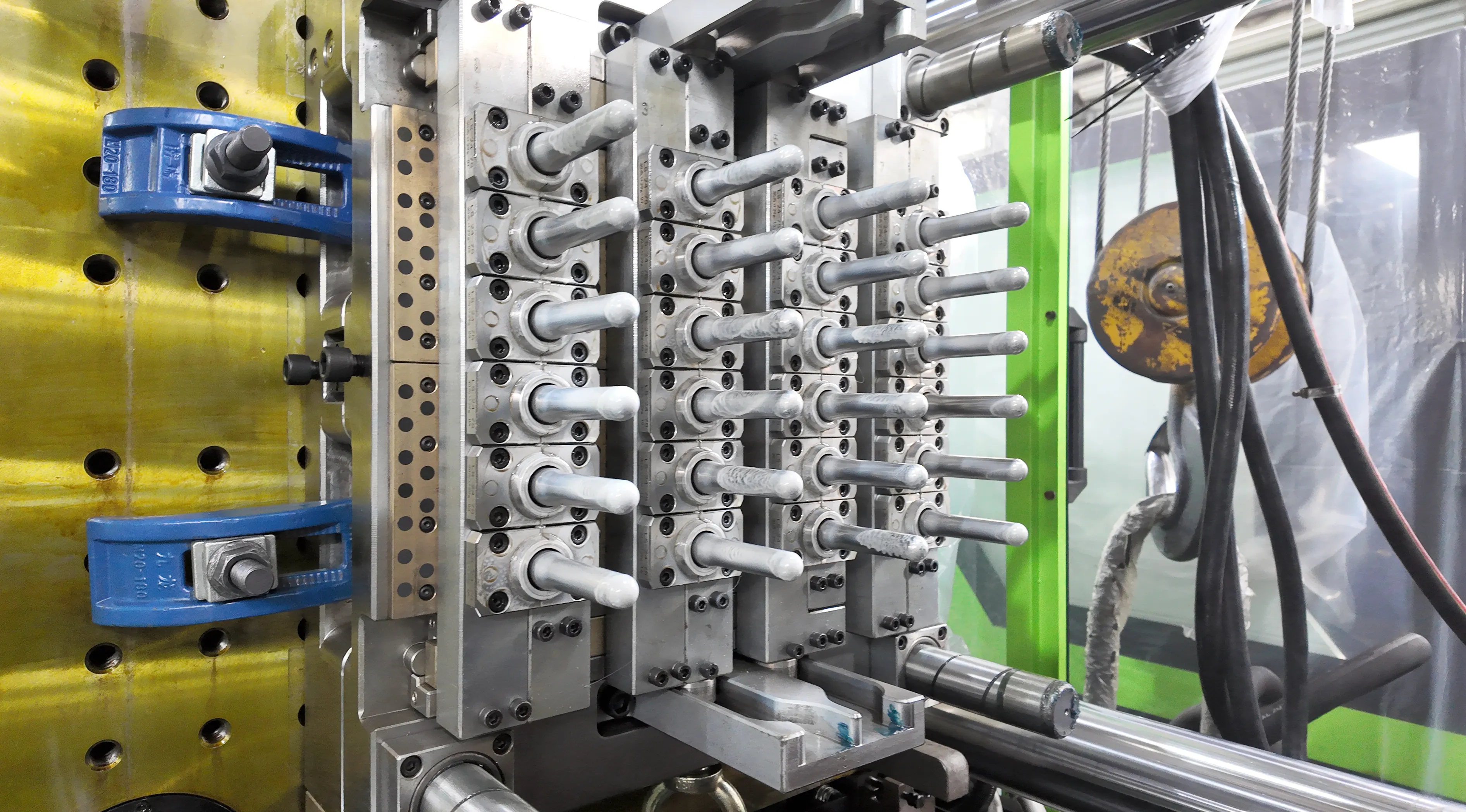
High-Cavity Molding Systems represent the most visible technology trend. Modern machines routinely operate with 72, 96, or even 192 cavities, enabling single machines to produce tens of thousands of preforms per hour-1-6. At CHINAPLAS 2026, leading manufacturers demonstrated 96-cavity systems achieving sub-9-second cycle times, yielding daily production capacities exceeding 12 to 15 tons-6-8. The economic logic is compelling: higher cavity counts dramatically reduce unit production costs, making large-scale operations more competitive.
Cycle Time Compression remains a critical battleground. Advanced machines now achieve dry cycle times as low as 2.97 seconds, with in-mold cooling periods of approximately 5.0 seconds for standard preform geometries-5. This speed is achieved through optimized clamp designs, high-speed injection units, and sophisticated cooling channel configurations that ensure consistent part quality despite rapid production cadences.
Servo-Electric and Hybrid Drive Systems have largely superseded traditional hydraulic designs in new installations. Manufacturers report energy savings of 30% to 40% compared to conventional machines through servo-driven pumps, improved thermal management, and intelligent power distribution-6-7. Some systems achieve total production energy consumption as low as 0.16 kWh per kilogram of output, a critical metric given that energy costs represent a significant portion of total production expenses-6-8.
Intelligent Control Systems represent the frontier of industry advancement. Modern PET preform machines incorporate sophisticated control platforms that manage every aspect of the injection process—from temperature profiling and injection pressure to clamp force and cooling parameters-1. The integration of industrial IoT enables real-time data collection, statistical process control, and predictive maintenance capabilities, allowing manufacturers to optimize production and minimize downtime-8. These systems can automatically adjust parameters based on environmental conditions and material variations, reducing scrap rates and ensuring consistent quality across extended production runs.
Sustainability: The rPET Imperative
Sustainability has emerged as a defining force reshaping the PET preform machinery industry. Global commitments to circular economy principles and increasingly stringent regulatory frameworks are driving brands to incorporate recycled PET (rPET) into their packaging. Major consumer goods companies have pledged to achieve 25% to 50% rPET content, creating an urgent need for equipment capable of processing recycled materials-3.
Processing rPET presents distinct technical challenges. Recycled material exhibits variations in melt viscosity, moisture content, and thermal stability compared to virgin resin. Advanced preform machines must incorporate specialized plastication units, enhanced filtration systems, and closed-loop process controls to maintain consistent preform quality while maximizing rPET utilization-3. Manufacturers who successfully address these requirements are positioned to capture significant market share as the transition to recycled content accelerates.
Geographic Dynamics and Competitive Landscape
The competitive landscape features a mix of established global players and regional specialists. Leading international manufacturers include Husky Injection Molding Systems, SIPA, SACMI, KraussMaffei Group, and Nissei ASB Machine, among others-9-11. These companies maintain technological leadership in high-cavity, ultra-high-speed systems and command premium pricing.
However, the industry has witnessed significant market share shifts over the past twenty years. Chinese manufacturers have emerged as formidable competitors, leveraging substantial investment in R&D, sophisticated manufacturing capabilities, and cost-effective production to gain ground in both domestic and international markets-1. Several Chinese producers now offer 96-cavity and higher systems with performance metrics approaching international benchmarks, challenging the historical dominance of Western and Japanese manufacturers-6-8.
Future Outlook
Looking ahead, the PET preform injection molding machine industry will continue its trajectory toward higher productivity, greater intelligence, and enhanced sustainability. Several trends merit particular attention:
First, the adoption of AI-driven process optimization will accelerate, with machine learning algorithms enabling automated parameter adjustment, predictive maintenance, and quality prediction-8. Second, the integration of entire preform production lines—from raw material handling through injection molding and preform handling—will create "smart factory" solutions that minimize manual intervention and optimize overall equipment effectiveness-1. Third, the drive toward carbon neutrality will intensify, with manufacturers developing machines that further reduce energy consumption and facilitate the processing of higher proportions of recycled material-3.
For packaging manufacturers, investing in advanced PET preform injection molding equipment represents not merely a capital expenditure but a strategic decision. The right machinery enables superior unit economics, positions operations for sustainable packaging mandates, and provides the production flexibility to respond to evolving consumer preferences and regulatory requirements.
Conclusion
The PET preform injection molding machine industry exemplifies how specialized manufacturing equipment can evolve in response to market demands, technological opportunity, and sustainability imperatives. From relatively simple hydraulic machines producing modest volumes, the industry has progressed to sophisticated, intelligent systems that represent the backbone of modern packaging production. As global demand for PET packaging continues to grow—and as regulatory pressure mounts to make that packaging more sustainable—the role of advanced, efficient, and smart preform injection molding machines will only become more central to the global packaging ecosystem.