
 EN
EN

วิธีการบรรลุสมดุลระหว่าง "ประสิทธิภาพสูง" กับ "ความมั่นคง" ในการผลิตแม่พิมพ์ขึ้นรูป PET แบบ 24 ช่อง
— รายงานโครงการผลิตขึ้นรูป PET สำหรับน้ำแร่ขนาด 1.5 ลิตร จำนวนมหาศาล สำหรับแบรนด์หนึ่ง
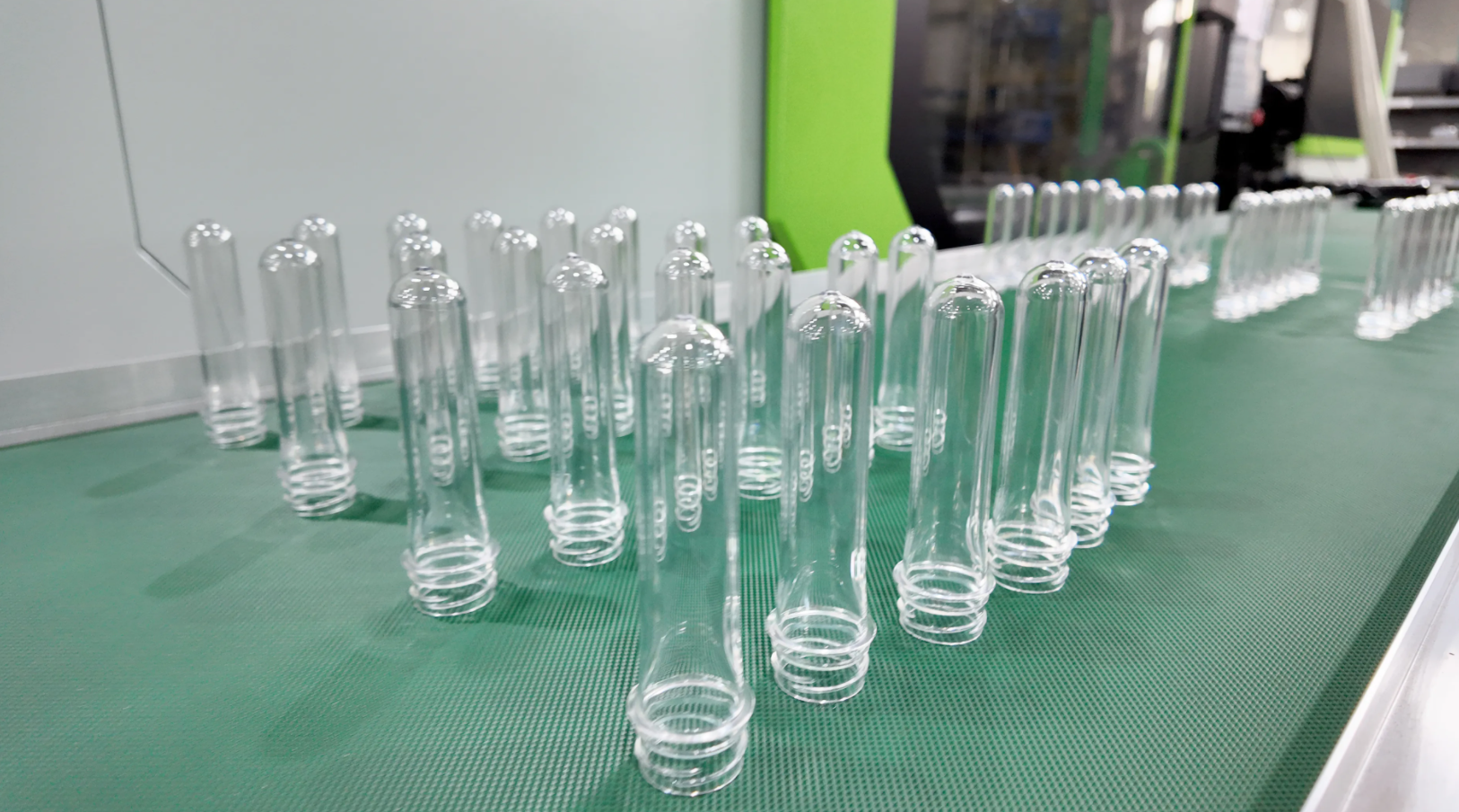
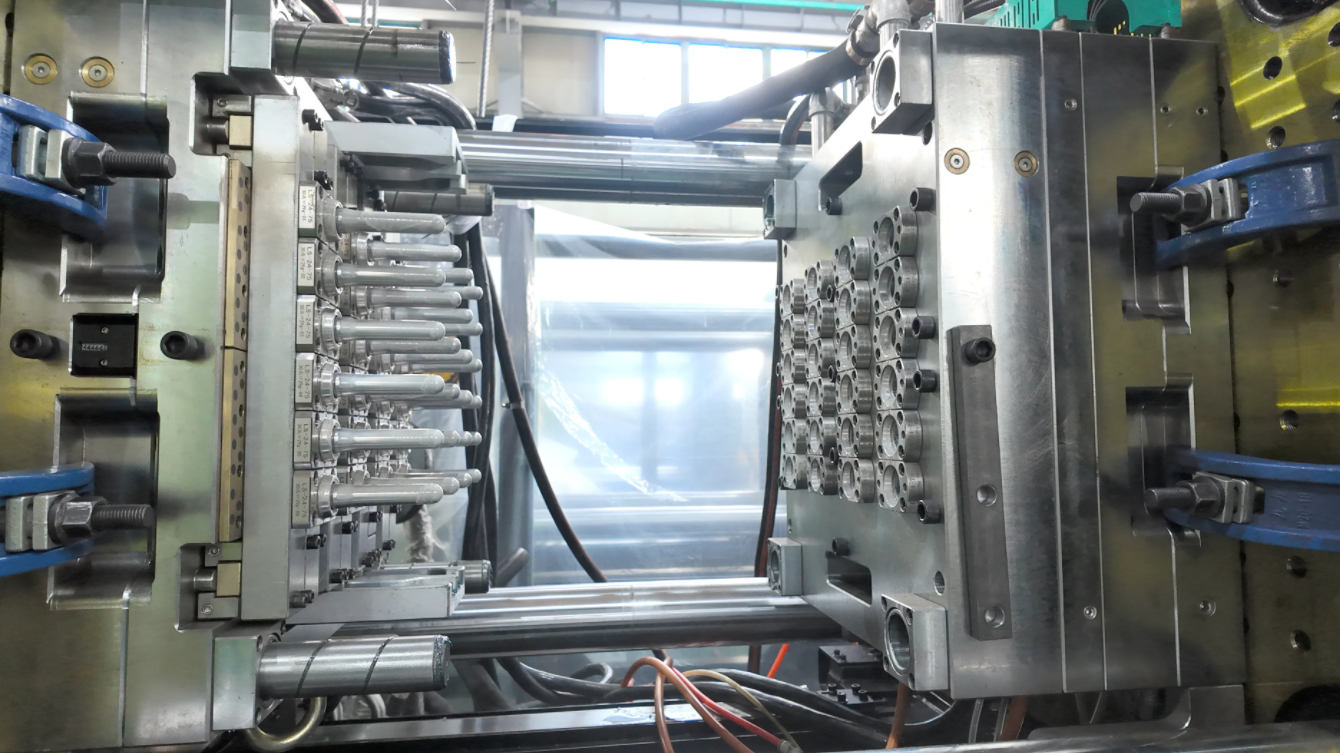
เมื่อเดือนที่ผ่านมา เราได้จัดส่งแม่พิมพ์ขึ้นรูป PET แบบ 24 ช่องให้กับบริษัทบรรจุภัณฑ์เครื่องดื่มรายใหญ่แห่งหนึ่งในภาคตะวันออกของจีน พร้อมติดตั้งคู่กับเครื่องฉีดขึ้นรูปความเร็วสูงของเรา ปัจจุบันโครงการนี้สามารถผลิตขึ้นรูป PET ได้อย่างมั่นคงในระดับมวลชนมากกว่าหนึ่งล้านชิ้นต่อวัน โครงการนี้ถือเป็นกรณีตัวอย่างที่น่าสนใจ และปัญหาบางประการที่เกิดขึ้นระหว่างดำเนินงาน รวมถึงแนวทางแก้ไขที่เราใช้ ล้วนมีคุณค่าในการแบ่งปันและอภิปราย
I. ความต้องการหลักของลูกค้า: ไม่ใช่เพียงแค่ "แม่พิมพ์หลายช่อง" แต่คือ "แต่ละช่องต้องเหมือนกันทุกประการ"
ความต้องการของลูกค้าชัดเจนมาก:
1. ประสิทธิภาพสูงสุด: เพื่อตอบสนองความต้องการน้ำบรรจุขวดขนาด 1.5 ลิตรที่สูงมากในช่วงไฮซีซัน การเพิ่มปริมาณผลิตภัณฑ์ต่อแม่พิมพ์จึงเป็นสิ่งจำเป็น
2. ความเสถียรสูงสุด: เมื่อใช้แม่พิมพ์ 24 ช่อง ความแปรผันใดๆ ก็ตาม (เช่น น้ำหนัก ขนาด หรือระดับผลึก) จะส่งผลให้อัตราผลผลิตลดลงในขั้นตอนการขึ้นรูปแบบเป่า และทำให้เกิดสัญญาณเตือนจากการตรวจสอบออนไลน์บ่อยครั้ง ซึ่งสิ่งเหล่านี้ไม่สามารถยอมรับได้สำหรับสายการผลิต
3. ควบคุมต้นทุนได้: ขณะที่ยังคงรับประกันข้อกำหนดสองข้อแรก ต้องสามารถบำรุงรักษาได้อย่างสะดวก และอายุการใช้งานของแม่พิมพ์ต้องยาวนาน
กล่าวอย่างง่ายๆ คือ สิ่งที่ลูกค้าต้องการไม่ใช่เพียงแค่แม่พิมพ์ 24 ช่องที่ "ทำงานได้" แต่คือแม่พิมพ์ 24 ช่องที่ "เหมือนกันทุกประการ" และ "ทำงานร่วมกันอย่างสมมาตรและเสถียร"
II. แนวทางแก้ไขของเรา: การบรรลุ "สมดุล" ทุกรายละเอียด
เมื่อเผชิญกับความท้าทายคลาสสิกที่เกิดจากความแตกต่างของความยาวการไหลที่มาก และการกระจายความร้อนที่ไม่สม่ำเสมอ อันเนื่องมาจากการออกแบบแม่พิมพ์ 24 ช่อง เราจึงร่วมมือกับทีมผู้ผลิตแม่พิมพ์ เพื่อกำหนดการตัดสินใจด้านการออกแบบสำคัญหลายประการ:
1. ระบบหัวฉีดความร้อน: การเลือกและจัดวางเป็นหัวใจสำคัญ
• ใช้ระบบ "วาล์วพินแบบหลายจุด + การเปิดหัวฉีดความร้อนพร้อมกัน" ซึ่งเป็นการตัดสินใจที่สำคัญยิ่ง เมื่อเปรียบเทียบกับวาล์วพินแบบจุดเดียว ระบบนี้ช่วยให้วัสดุหลอมเหลวไหลเข้าสู่โพรงทั้งหมดพร้อมกันด้วยแรงดันและอุณหภูมิที่สม่ำเสมอมากขึ้น ลดความแตกต่างที่เกิดจากลำดับการเติมที่ไม่เหมือนกันได้โดยพื้นฐาน
• การควบคุมอุณหภูมิอย่างแม่นยำแบบแบ่งชั้นและแบ่งโซน แผ่นหัวฉีดความร้อนถูกแบ่งออกเป็นโซนควบคุมอุณหภูมิที่แยกจากกัน เพื่อชดเชยอุณหภูมิสำหรับช่องทางไหล (runner) ที่ "อ่อนแอกว่า" ซึ่งอยู่ห่างจากทางเข้าหลักมากกว่า ทำให้มั่นใจได้ว่าสถานะของวัสดุหลอมเหลวจะสม่ำเสมอที่ปลายแต่ละหัวฉีด
2. ระบบระบายความร้อน: "การระบายความร้อนแบบตามรูปทรง (Conformal Cooling)" และการจัดวางอย่างมีประสิทธิภาพ
• การระบายความร้อนเป็นหัวใจสำคัญของแม่พิมพ์สำหรับชิ้นงานก่อนขึ้นรูป (preform mold) เราใช้แกนกลางแม่พิมพ์ (mold core) ที่ทำจากวัสดุนำความร้อนได้ดีมาก และออกแบบช่องระบายความร้อนแบบเกลียวภายในที่สร้างการไหลแบบปั่นป่วน (spiral turbulent cooling channel) เพื่อให้มั่นใจว่าแต่ละชิ้นงานก่อนขึ้นรูปจะถูกระบายความร้อนอย่างรวดเร็วและสม่ำเสมอ การระบายความร้อนไม่สม่ำเสมอส่งผลโดยตรงต่อความแตกต่างของอัตราการหดตัวและระดับผลึก (crystallinity) ของชิ้นงาน
• การจัดวางช่องทางน้ำผ่านการวิเคราะห์การไหลของวัสดุในแม่พิมพ์ (mold flow analysis) ได้รับการปรับปรุงซ้ำๆ เพื่อให้มั่นใจว่าความเบี่ยงเบนของประสิทธิภาพการระบายความร้อนในโพรงแม่พิมพ์ทั้ง 24 โพรงจะควบคุมไว้ภายใน 5%
3. โครงสร้างและค่าความแม่นยำของแม่พิมพ์: การรับประกันความแข็งแกร่งและความสามารถในการปรับแต่งอย่างละเอียด
• การออกแบบแผ่นแม่พิมพ์ขนาดใหญ่ที่มีความแข็งแกร่งสูงพิเศษ แรงฉีดที่มหาศาลซึ่งเกิดจากแม่พิมพ์ 24 โพรง จำเป็นต้องให้แผ่นแม่พิมพ์มีความสามารถต้านทานการบิดเบี้ยวได้สูงมาก ซึ่งเป็นพื้นฐานสำคัญต่อความเสถียรในระยะยาว
• ชิ้นส่วนหลัก (เช่น แกนกลางแม่พิมพ์และโพรงแม่พิมพ์) ผลิตจากเหล็กนำเข้าที่มีความแข็งสูง และผ่านกระบวนการกลึงความแม่นยำสูงทั้งหมดในโรงงานที่ควบคุมอุณหภูมิอย่างเข้มงวด เพื่อให้มั่นใจในความสอดคล้องกันของแต่ละโพรงแม่พิมพ์
• มีกลไกการปรับแต่งอย่างละเอียดที่เรียบง่ายสำรองไว้ ในระหว่างขั้นตอนการทดลองขึ้นรูป สามารถปรับสมดุลการเติมได้โดยการปรับแต่งแผ่นรองของหัวฉีดร้อนแต่ละอัน ซึ่งมีความสำคัญอย่างยิ่งต่อการปรับเทียบขั้นสุดท้ายของแม่พิมพ์หลายช่อง
III. ความร่วมมือกับเครื่องขึ้นรูปด้วยแรงดัน: "ม้าดีต้องมีอานดี" ไม่ว่าแม่พิมพ์จะถูกออกแบบมาอย่างดีเพียงใด ก็ยังจำเป็นต้องทำงานบนเครื่องจริงในที่สุด เครื่องขึ้นรูปด้วยแรงดันความเร็วสูงของเราจึงมีบทบาทสำคัญ:
• ความเร็วในการฉีดและเวลาตอบสนองที่สูงมากเป็นพิเศษ: ช่วยให้การเติมสารหลอมละลาย PET ดำเนินไปอย่างรวดเร็วในสภาวะที่เหมาะสมที่สุด หลีกเลี่ยงการเสื่อมคุณภาพของวัสดุและการทำงานที่ไม่สม่ำเสมอซึ่งเกิดจากความร้อนส่วนเกินจากการเฉือน (shear overheating) หรือการเย็นตัวก่อนกำหนด
• การควบคุมแบบปิดวงจร (closed-loop control) ที่มีเสถียรภาพ: การควบคุมอย่างแม่นยำของแรงดันขณะฉีดและแรงดันขณะคงรูปโดยเครื่องจักร เป็นแนวป้องกันสุดท้ายต่อความแตกต่างระดับจุลภาคในแม่พิมพ์ ทำให้พารามิเตอร์กระบวนการสำหรับแต่ละแม่พิมพ์ถูกควบคุมอย่างเข้มงวดภายในช่วงแคบๆ ที่เหมาะสมที่สุด
• เวลาไซเคิลที่รวดเร็ว: ร่วมกับแม่พิมพ์ระบายความร้อนที่มีประสิทธิภาพสูงมาก เวลาเปิด-ปิดแม่พิมพ์และเวลาถ่ายชิ้นงานได้รับการปรับแต่งให้ดีที่สุด ทำให้บรรลุเวลาไซเคิลที่เสถียรต่ำกว่า 11 วินาที ซึ่งใช้ประโยชน์จากข้อได้เปรียบด้านประสิทธิภาพของแม่พิมพ์แบบ 24 ช่องได้อย่างเต็มที่
IV. ผลลัพธ์ของโครงการและคุณค่าที่ลูกค้าได้รับ หลังจากทดลองขึ้นรูปและปรับแต่งพารามิเตอร์เป็นระยะเวลาสามสัปดาห์ โครงการประสบความสำเร็จตามเป้าหมายที่วางไว้:
• ประสิทธิภาพการผลิต: เวลาไซเคิลคงที่อยู่ที่ 10.8 วินาที โดยกำลังการผลิตเชิงทฤษฎีต่อวันเกิน 1.1 ล้านชิ้น สามารถตอบสนองความต้องการของลูกค้าได้อย่างครบถ้วน
• ความสม่ำเสมอของผลิตภัณฑ์: ชิ้นงานที่สุ่มเลือกมาจากการขึ้นรูปในช่องใดๆ ของแม่พิมพ์ มีความคลาดเคลื่อนของน้ำหนักคงที่ภายใน ±0.15 กรัม และขนาดปากขวดรวมทั้งระดับความผลึก (crystallinity) สอดคล้องตามมาตรฐานทั้งหมด
• ความเสถียรของการผลิต: การตรวจสอบการผลิตอย่างต่อเนื่องเป็นเวลา 72 ชั่วโมง ไม่พบการหยุดทำงานหรือความผันผวนของคุณภาพอันเนื่องมาจากปัญหาของแม่พิมพ์ และอัตราผลผลิต (yield) ของสายการผลิตแบบเป่าขวด (blow molding) สูงกว่า 99.7%
ข้อคิดที่ได้รับและข้อสะท้อนคิด โครงการนี้ย้ำเตือนหลักการหนึ่งอีกครั้งว่า การแข่งขันในแม่พิมพ์แบบหลายช่อง (multi-cavity molds) ไม่ได้อยู่ที่ "ปริมาณ" แต่อยู่ที่ "ความสม่ำเสมอ" ซึ่งเป็นการทดสอบศักยภาพในการบูรณาการอย่างเป็นระบบ ตั้งแต่การเลือกหัวจ่ายความร้อน (hot runner) การออกแบบระบบระบายความร้อน (cooling design) ความแม่นยำในการกลึง (machining precision) ไปจนถึงกระบวนการฉีดขึ้นรูป (injection molding processes) จุดอ่อนใดๆ ในลิงก์ใดลิงก์หนึ่งจะถูกขยายผลอย่างทวีคูณตามจำนวน 24
สำหรับเรา การส่งมอบงานให้สำเร็จลุล่วงไม่ใช่จุดสิ้นสุด แม่พิมพ์ชิ้นนี้ขณะนี้ได้ถูกรวมเข้ากับระบบตรวจสอบระยะไกล (remote monitoring system) ของเราแล้ว และการดำเนินงานอย่างต่อเนื่องและมั่นคงของมัน คือการแสดงออกที่แท้จริงของมูลค่าร่วมกันระหว่างเราและลูกค้า